Table of contents
Curious about how the body can naturally combat stress? Discover the transformative effects of lymphatic drainage on stress relief and how this gentle technique can support overall well-being. Unlock the secrets behind this often-overlooked system, and explore the compelling connections between physical and mental health in the paragraphs that follow.
The lymphatic system explained
The lymphatic system plays a foundational role in maintaining the body’s health and resilience. It consists of a complex network of vessels, nodes, and organs dedicated to transporting lymphatic fluid throughout the body. This fluid movement is vital for supporting the immune system, as it carries infection-fighting white blood cells and helps filter out pathogens, cellular waste, and toxins. By facilitating efficient detoxification, the lymphatic system acts as a guardian against illness and inflammation, continuously working to clear harmful substances from tissues and return clean fluid to the bloodstream.
Collaboration with other physiological systems is key for sustaining robust body balance. The lymphatic system functions in close synchrony with the circulatory and endocrine systems, ensuring that fluids, hormones, and nutrients are properly regulated. Lymphatic drainage, either naturally or through targeted therapies, stimulates the flow of lymphatic fluid, promoting faster removal of waste and excess fluids. This process not only supports detoxification but also enhances tissue repair and reduces swelling. The cumulative effect is improved immune system efficiency and restoration of homeostasis, allowing the body to adapt and thrive under various health challenges.
What is lymphatic drainage?
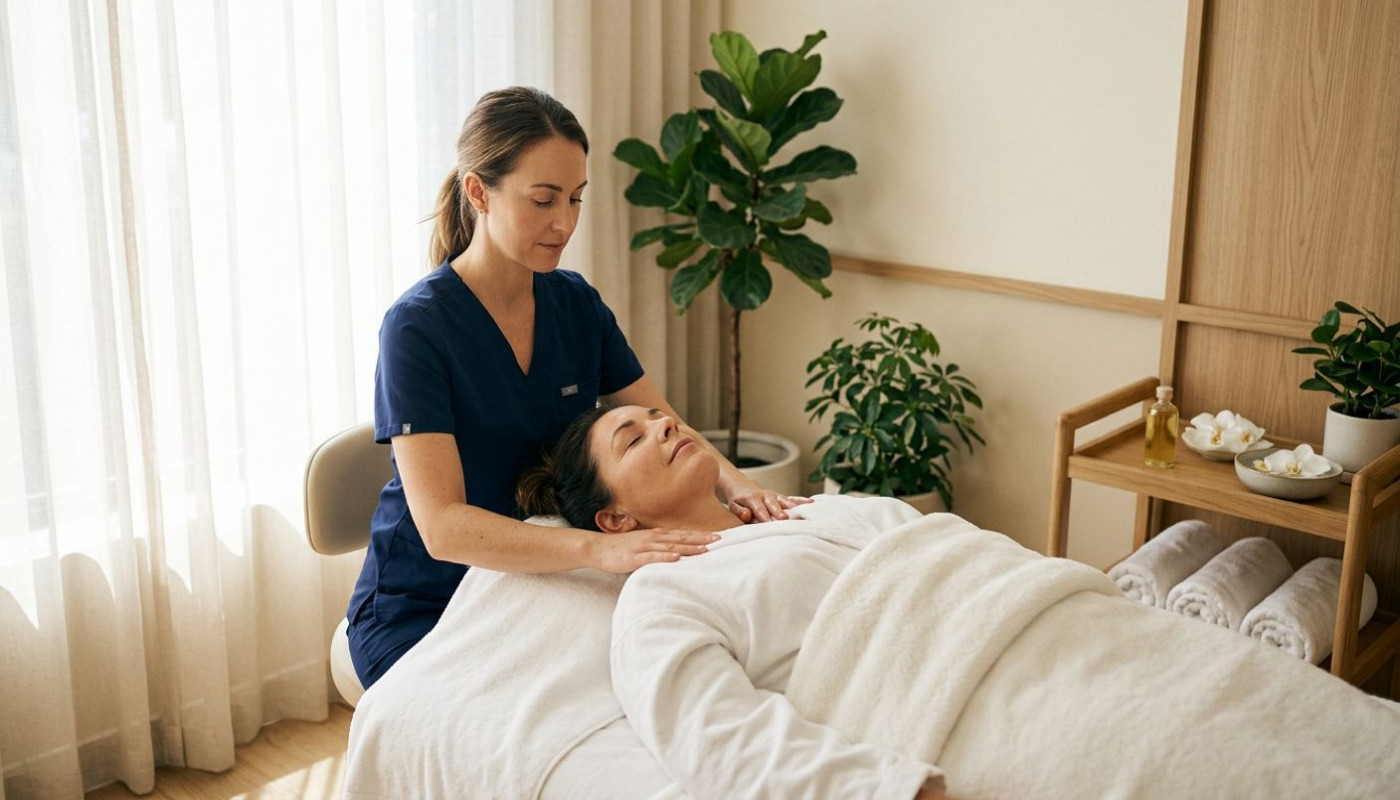
Lymphatic drainage refers to a specialized therapeutic technique designed to stimulate the movement of lymphatic fluid throughout the body. This process can be achieved through manual lymphatic drainage, where skilled practitioners use gentle, rhythmic hand movements to encourage lymph flow, as well as through mechanical methods that employ advanced devices to enhance drainage. These interventions are based on the principle of promoting lymphangiogenesis, the formation of new lymphatic vessels, which supports overall lymphatic system health. By stimulating lymphatic circulation, this therapy aids in toxin removal, reducing fluid retention and swelling while also improving immune function and tissue repair. The gentle pressure and repetitive strokes employed in both manual and mechanical lymphatic drainage facilitate the movement of lymph, ensuring that waste products are efficiently transported away from tissues and eliminated from the body.
Increased interest in lymphatic drainage has been linked to its potential to provide stress relief, as improved lymphatic flow can trigger the body's relaxation response and promote circulation improvement. The enhanced movement of lymphatic fluid leads to a reduction in inflammation and a sense of physical lightness, both of which contribute to decreased stress levels. Lymphatic drainage is often incorporated into wellness routines for individuals seeking detoxification, immune support, and relaxation benefits. Specialized services, such as lymphatic massage in bangkok, are becoming increasingly sought after for their expertise in delivering this targeted therapy, especially in cosmopolitan cities where wellness tourism thrives. This focus on toxin removal and circulation improvement underscores the value of lymphatic drainage as a multifaceted approach to health and well-being.
Lymphatic drainage and stress reduction
Lymphatic drainage is intricately connected to stress relief through both direct physiological mechanisms and indirect pathways influencing holistic health. When the lymphatic system operates efficiently, it assists in reducing systemic inflammation, removing cellular waste, and balancing interstitial fluid—factors that can otherwise exacerbate stress responses within the body. Research demonstrates that manual lymphatic drainage techniques stimulate the parasympathetic nervous system, triggering what is known as the relaxation response. This process enhances vagal tone, which refers to the activity of the vagus nerve, a key player in regulating heart rate, digestion, and emotional state. Increased vagal tone is closely associated with lower cortisol levels and improved emotional resilience, facilitating a profound state of relaxation and aiding in recovery from psychological or physiological stress.
Physiologically, lymphatic drainage promotes the release of neuropeptides and neurotransmitters that foster equilibrium throughout the nervous system, further supporting stress relief. Studies highlight that targeted stimulation of lymphatic flow can lead to measurable reductions in blood pressure and heart rate variability, both reliable indicators of reduced sympathetic nervous system activity. The enhancement of the relaxation response through these techniques often translates to improved sleep quality, decreased muscle tension, and bolstered mental clarity. Such improvements are particularly notable in adults living with chronic stress, where maladaptive stress responses can impair immunity and overall well-being.
The synergy between lymphatic drainage and the parasympathetic nervous system underpins its role in promoting holistic health. By optimizing vagal tone and facilitating the relaxation response, lymphatic drainage emerges as a powerful tool in comprehensive stress management strategies. Individuals seeking sustainable stress relief benefit not only from the immediate calming effects but also from long-term improvements in immune function and emotional stability. This integration of manual therapy and neurophysiological processes reinforces the significance of lymphatic drainage as a cornerstone in modern approaches to mind-body wellness.
Benefits for mental well-being
Lymphatic drainage therapy offers a significant positive impact on mental health by facilitating neuroendocrine modulation, thereby influencing both psychological and physiological responses to stress. Through gentle, rhythmic techniques, this therapy stimulates the parasympathetic nervous system, which in turn encourages the body to enter a restorative state. This process plays a pivotal role in mood improvement, as it helps balance neurotransmitters like serotonin and dopamine, which are closely linked to emotional stability and overall well-being. By supporting the body’s natural detoxification processes, lymphatic drainage assists in reducing inflammation and oxidative stress, both of which are known contributors to anxiety and depressive symptoms.
The practice of lymphatic drainage also directly addresses anxiety relief by lowering levels of stress hormones such as cortisol. As the lymphatic system eliminates toxins and metabolic waste more efficiently, the body’s internal environment becomes less conducive to chronic stress responses. Individuals often report a sense of deep relaxation and calmness during and after sessions, which helps build emotional resilience over time. This makes lymphatic drainage a valuable complementary approach in managing symptoms of anxiety and enhancing daily coping mechanisms.
Improved sleep quality is another frequently observed benefit of lymphatic drainage therapy. Chronic stress often disrupts normal sleep patterns, leading to insomnia or restless nights. By promoting relaxation and encouraging the parasympathetic response, lymphatic drainage helps regulate circadian rhythms and fosters deeper, more restorative sleep. This improvement in sleep not only boosts energy levels but also fortifies mental clarity and emotional stability, further contributing to chronic stress reduction and better overall mental health.
Neuroendocrine modulation through lymphatic drainage serves as an integrative approach to holistic well-being. By targeting both the mind and body, this therapy supports a cycle of positive feedback: reduced stress leads to better mental health, which enhances mood improvement and emotional balance. As the physiological burden of chronic stress diminishes, individuals experience greater adaptability to life’s challenges, leading to a more resilient and optimistic outlook. Lymphatic drainage, when incorporated into a comprehensive self-care routine, provides tangible support for those seeking to improve their mental and emotional health in the face of daily stressors.
Integrating lymphatic care into daily life
Lymphatic drainage at home offers a practical pathway for anyone aiming to elevate stress management and daily wellness. Beginning with self-massage, gentle circular motions along key lymph node areas—such as the neck, armpits, and behind the knees—can stimulate lymphokinetics, the flow of lymph through vessels and nodes. This simple practice supports the removal of metabolic waste, which helps reduce the physiological stress burden. Integrating these techniques into a morning or evening routine requires only a few minutes, yet sets a foundation for a healthy lifestyle by fostering relaxation and mental clarity.
Hydration is another pillar of effective lymphatic drainage at home. Water intake is directly linked to the viscosity of lymphatic fluid, and optimal hydration enables efficient lymphokinetics by keeping the fluid light enough to circulate freely. It is recommended to drink water throughout the day, especially before and after self-massage, as this not only maintains fluid balance but also optimizes the body’s natural detoxification cycles. For adults managing busy schedules, carrying a water bottle and consciously tracking intake can make a substantial difference in long-term wellness and stress response.
Movement is inseparable from lymphatic health, given that the system relies on muscle contractions to propel lymph. Incorporating regular, moderate activity such as brisk walking, yoga, or stretching into daily routines encourages lymphokinetics and complements self-massage and hydration efforts. Even short movement breaks during sedentary tasks improve lymph flow and foster stress management by releasing endorphins and reducing muscular tension. These practices, combined, amplify the cumulative effects on the immune system, energy levels, and resilience to daily stressors.
Professional therapies like manual lymphatic drainage performed by licensed practitioners can further enhance these at-home strategies. Regular sessions may be particularly beneficial during periods of heightened stress or following illness. Working with an integrative health specialist ensures that techniques are tailored to individual needs, optimizing outcomes for daily wellness. Over time, the synergy of self-care and professional support cultivates a sustainable, healthy lifestyle where stress is more efficiently managed, immunity is strengthened, and overall well-being is significantly elevated.
Similar

European Union wants AstraZeneca COVID-19 vaccine delivery rate quickened

How to surf the Internet safely?
